From Classical to Kitsch: Exploring Meaning in Religious Art
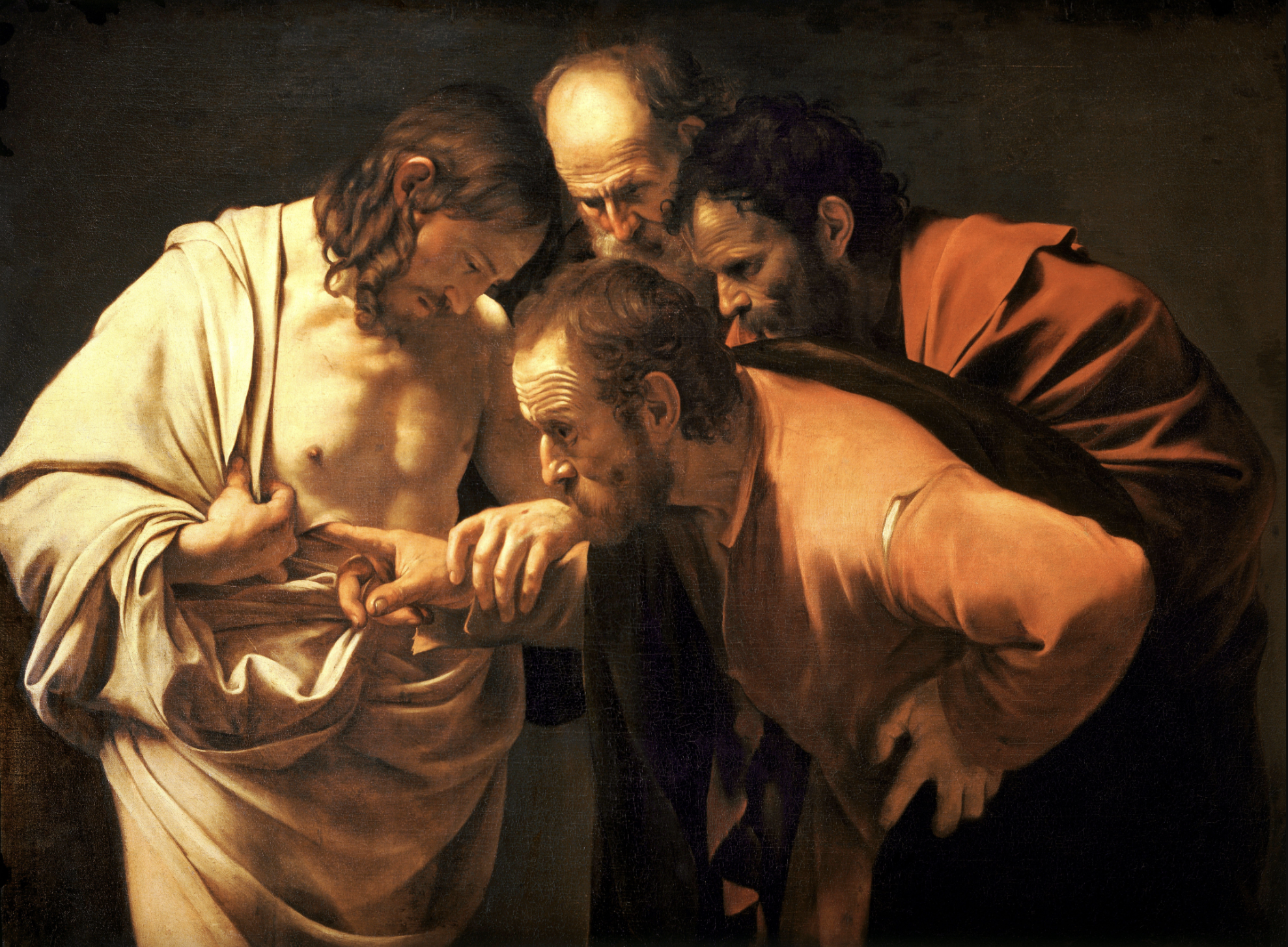
Religious art has long played a central role in culture and spiritual life, inspiring devotion, reflection, and awe. Today, artists create works that range from deeply classical to warmly kitsch, and both styles can carry meaning in unique ways.
Lessons from Classical Religious Art
Classical religious art is often defined by technical skill, symbolism, and emotional depth:
- Renaissance (c. 1400–1600): Mastery of perspective, anatomy, and light brought biblical stories to life. Every gesture, object, and color carried symbolic meaning, encouraging reflection and spiritual contemplation.
- Baroque (c. 1600–1750): Dramatic lighting and dynamic compositions drew viewers into the scene, inspiring awe and connection.
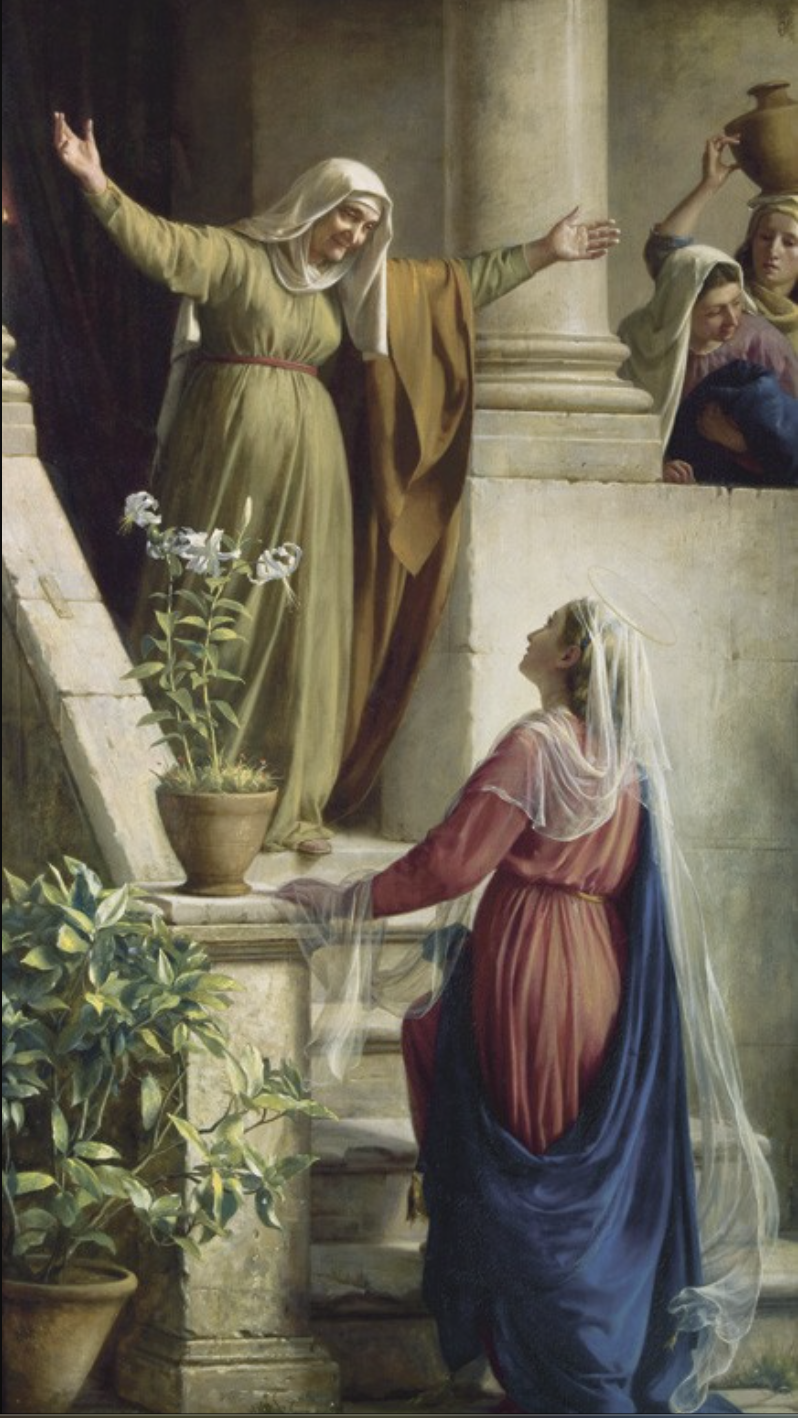
- Neoclassical/Romantic (18th–19th c.): Art emphasized moral clarity, harmony, and heightened emotion, blending spirituality with the sublime.
These works endure because they combine craft, layered meaning, and emotional resonance, inviting contemplation and lasting engagement.
Kitsch in Religious Art
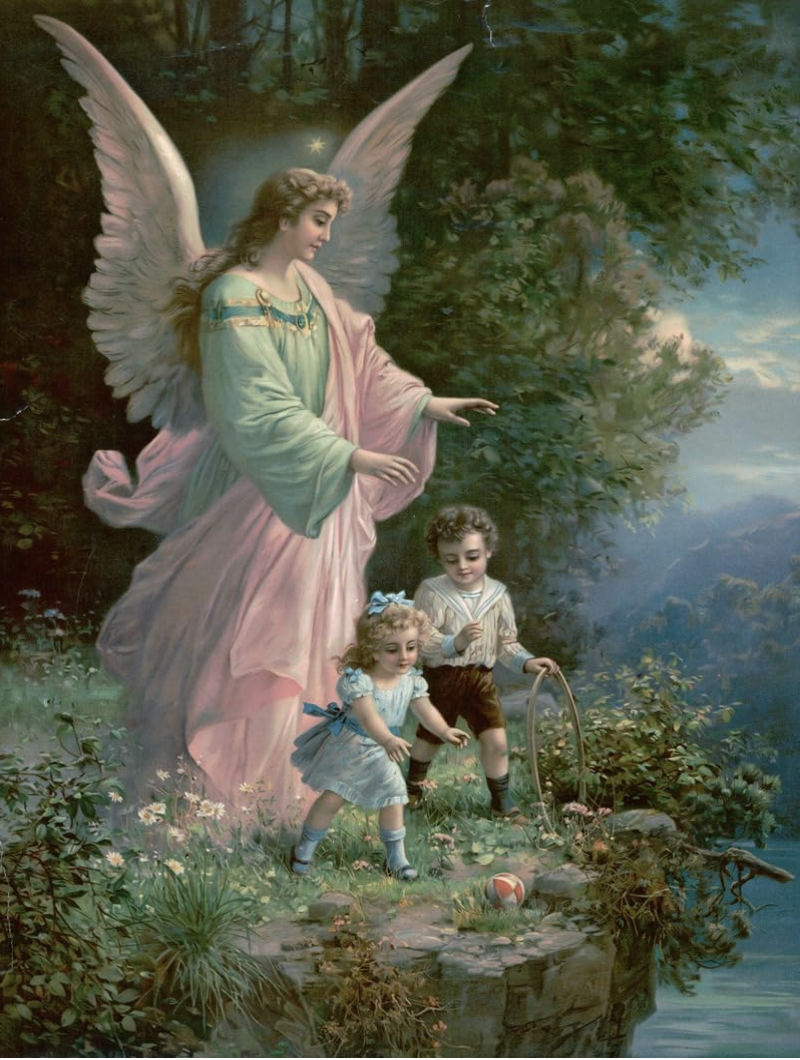
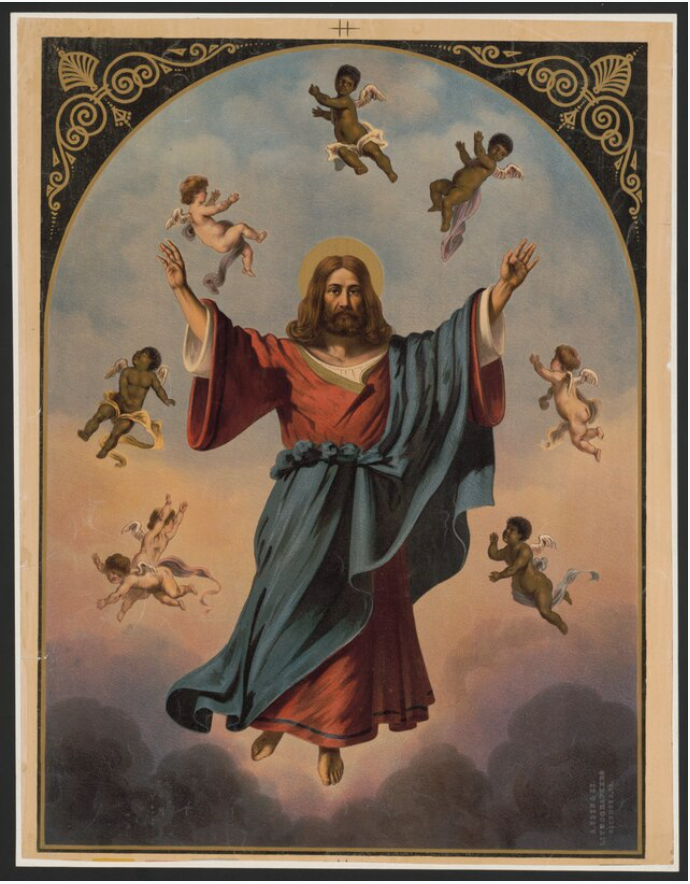
Kitsch often emphasizes charm, accessibility, and comfort, creating a different type of engagement:
- Immediate emotional appeal: Designed to uplift, comfort, or delight, connecting people to religious themes in familiar ways.
- Decorative and sentimental: Idealized imagery, serene expressions, and glowing scenes offer reassurance and enjoyment.
- Widespread accessibility: Works that are approachable can make spiritual ideas tangible and relatable to a broad audience.
While kitsch may not always challenge viewers with deep symbolism, it can still provide meaningful experiences by evoking joy, hope, and connection.
Four Ways Religious Art Creates Meaning
Whether classical or kitsch, meaningful religious art engages people through:
- Skill & Craftsmanship: Thoughtful execution demonstrates care and invites admiration.
- Symbolism & Concept: Layered meaning, theology, or history enriches understanding.
- Emotional & Spiritual Engagement: Moving the viewer’s heart or spirit encourages reflection, devotion, or comfort.
- Human Touch & Originality: Unique, hand-crafted elements grounded in personal experience make art authentic and memorable.
Conclusion
Both classical and kitsch religious art can hold value. Classical works may challenge and inspire through depth and technique, while kitsch can offer immediate comfort, joy, and accessibility. By appreciating each style’s strengths, collectors and viewers can find meaning in different ways, depending on their personal or spiritual needs.
Art that blends craft, thoughtfulness, and emotional engagement — regardless of style — can enrich faith, reflection, and connection.
The Four Pillars of Meaningful Religious Art
Meaningful religious art goes combines comfort and decoration with skill, depth, and spiritual engagement. Four key pillars help distinguish works that endure:
- Skill & Craftsmanship – Mastery of medium, technique, and composition. Hand-crafted works demonstrate the artist’s dedication and ability to bring scenes and figures to life.
- Symbolism & Concept – Layered meaning, theological insight, and historical context enrich the viewer’s experience. Symbolism invites reflection and deepens understanding beyond the surface image.
- Emotional & Spiritual Engagement – Art should move the viewer’s heart and spirit, inspiring contemplation, awe, or devotion rather than simply eliciting immediate comfort.
- Human Touch & Originality – Tangible, hand-crafted elements rooted in real-life experience or spiritual insight make the work unique and authentic. Originality ensures the art is a true expression of the artist, not just a replication of familiar imagery.
Application: These pillars are reflected in hand-crafted religious works, such as nativities or layered paintings, where technical skill, thoughtful symbolism, and emotional depth come together to create art that resonates across time.
Conclusion
By combining technical skill, layered symbolism, emotional resonance, and human touch, artists create works that invite reflection, inspire devotion, and stand as lasting expressions of faith and culture.
As viewers and collectors, it’s worth asking: What kind of religious art truly resonates with you personally and spiritually? Is it the comforting, familiar image, or the work that challenges, inspires, and carries depth beyond the immediate glance?
For those seeking art that embodies these qualities, hand-crafted pieces rooted in real experience, personal reflection, and spiritual insight offer something that decoration alone cannot replicate.